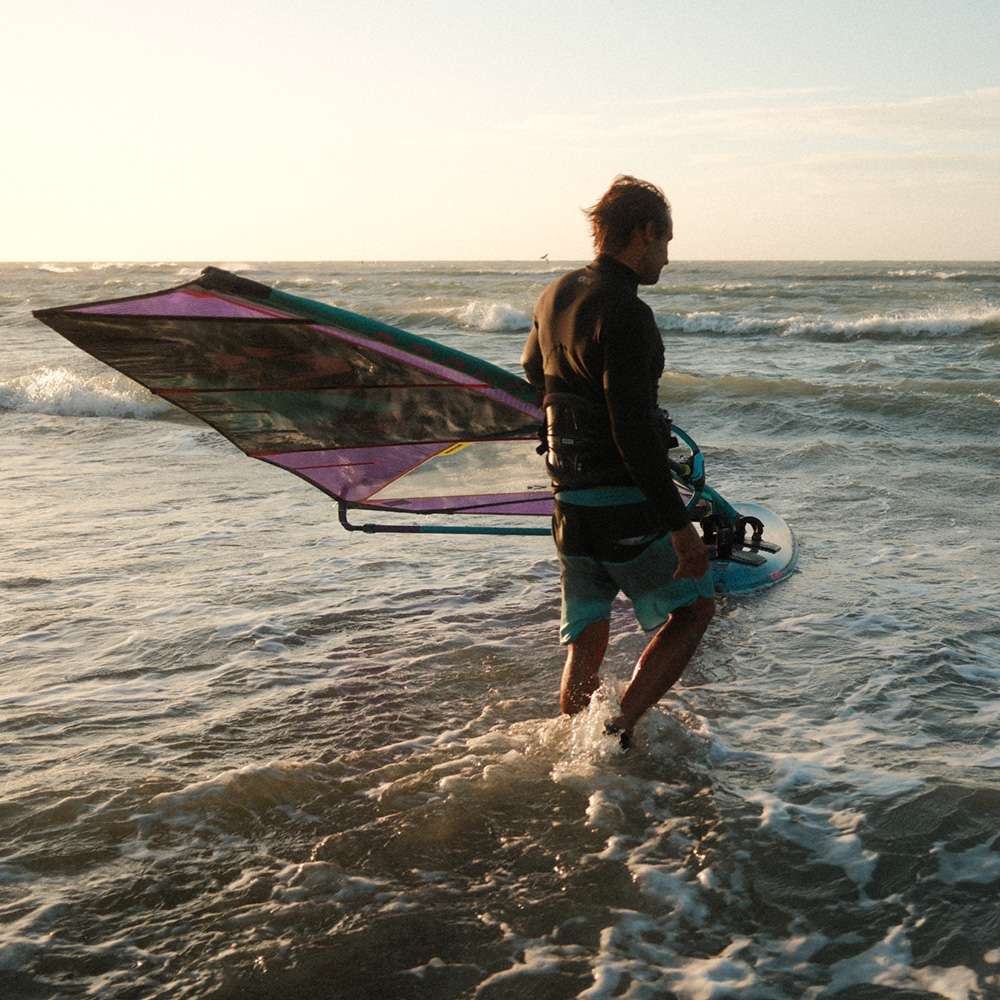
I’ve had ear issues for as long as I can remember in my windsurfing life.
As a kid learning to windsurf, ear infections were almost part of the routine. And it never really stopped—nearly every year, at some point in the season, I’d end up with irritated ears or an infection. Even this year in Brazil it happened again.
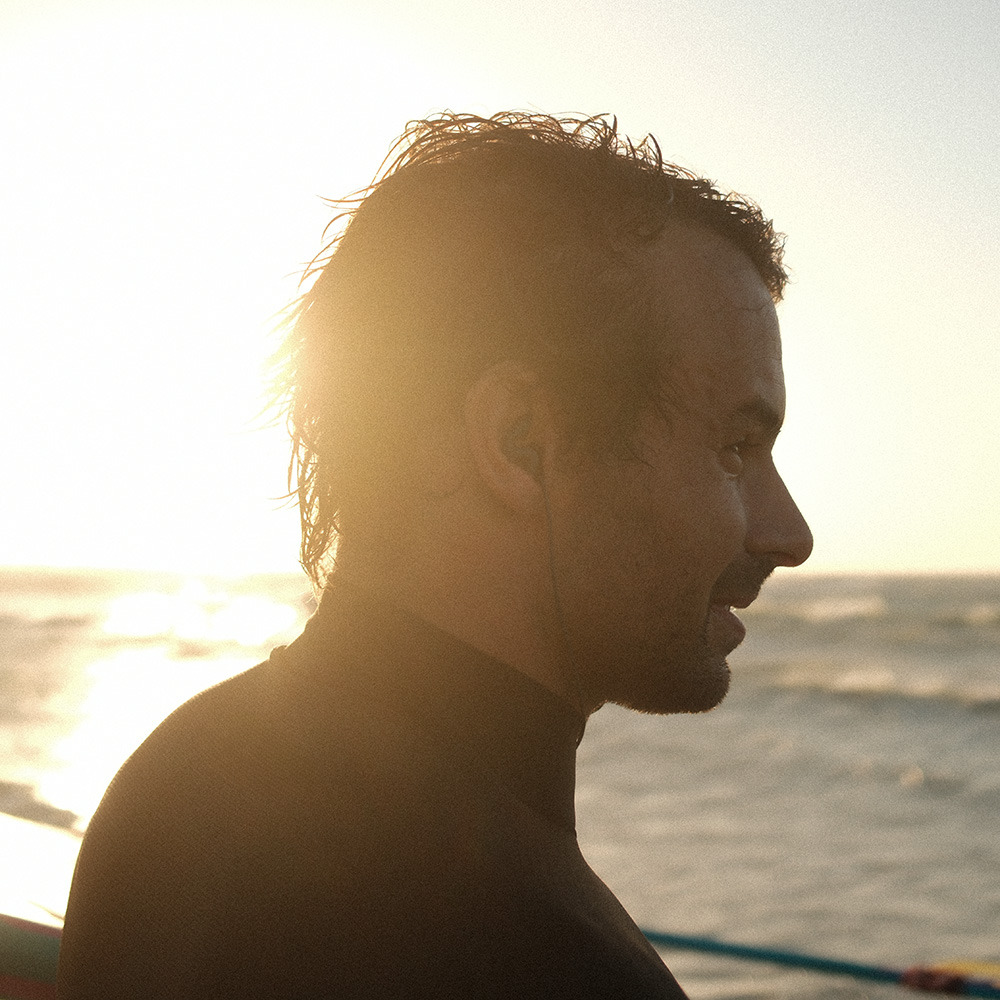
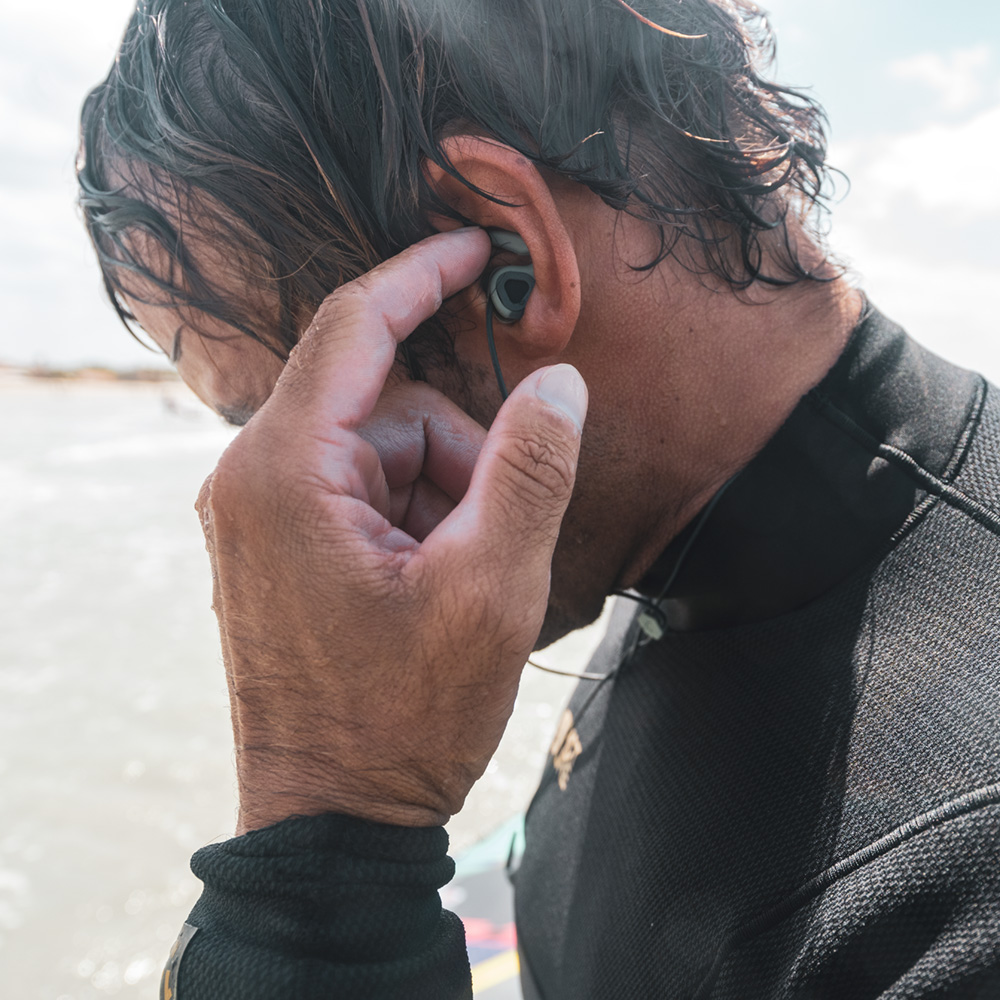
After years of simply accepting it, I finally tried SurfEars 4.0—not because I wanted new gear, but because I was tired of the same problem repeating itself.
And honestly, they made a noticeable difference.

Why Ear Protection Is Worth Thinking About
Windsurfing exposes your ears to a lot:
wind, warm or cold water, repeated crashes, sand, pressure changes. Most of the time you don’t notice it immediately—but over years it adds up.
Ear infections are annoying enough, but many water athletes also deal with Surfer’s Ear, a gradual bony growth inside the ear canal caused by constant exposure. It develops slowly and often without symptoms, but once it’s there, surgery is usually the only solution.
For a long time, I ignored all of this because earplugs always felt uncomfortable or detached me from my surroundings. I rely a lot on hearing for balance, timing, and just feeling “connected” to the wind. Losing that wasn’t an option.
Trying SurfEars 4.0 for the First Time
The biggest surprise was how natural they feel.
They don’t block your hearing completely—you still hear the wind, the board, and people around you, just slightly softer. Compared to the cheap silicone plugs I had before, it’s a big improvement.
A few things stood out during my sessions:
- You still hear what you need to hear
Not perfectly, but clearly enough to stay oriented and make quick adjustments. No disconnected feeling.
- They stay in place
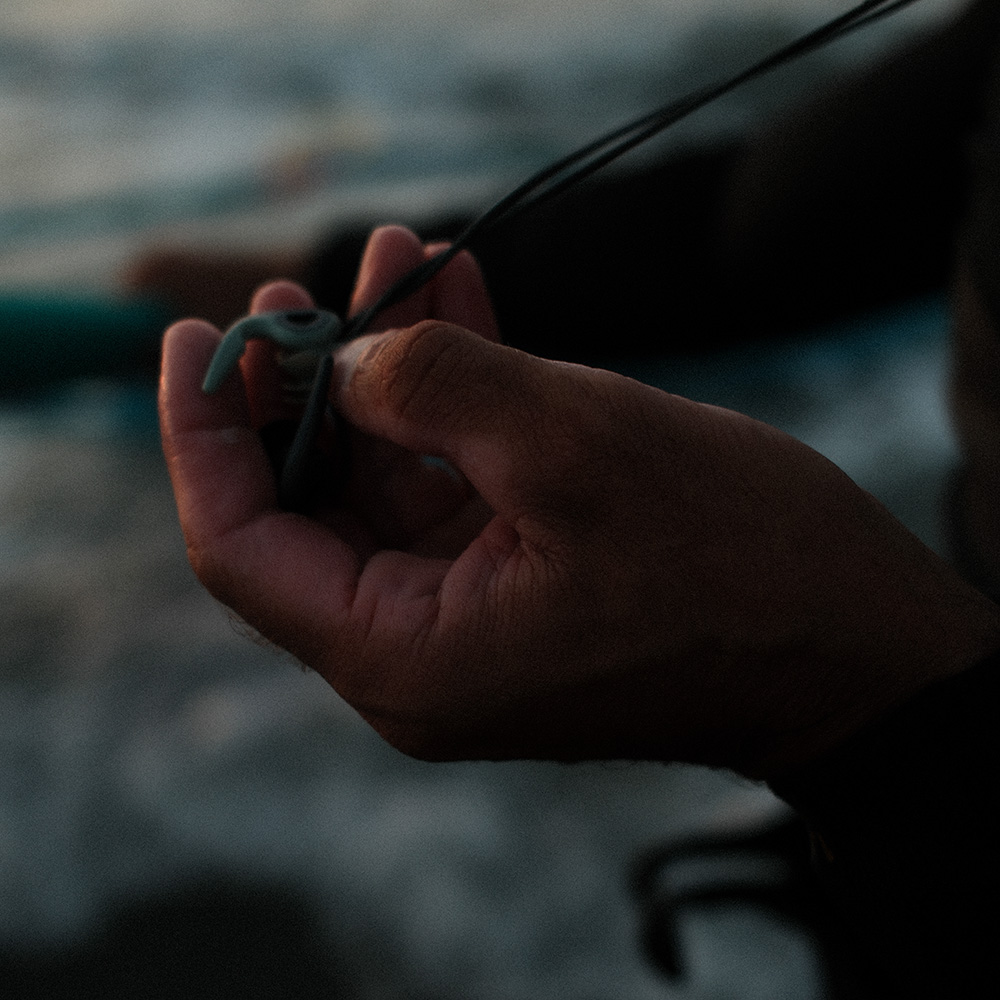
The small rubber leash around the neck is simple but effective. Even during heavy crashes, they stayed where they should. If one came loose, it wasn’t lost.
- Comfort during long sessions
I wore them for hours in Brazil without any pressure points or irritation.
- Crash protection
Something I didn’t expect:
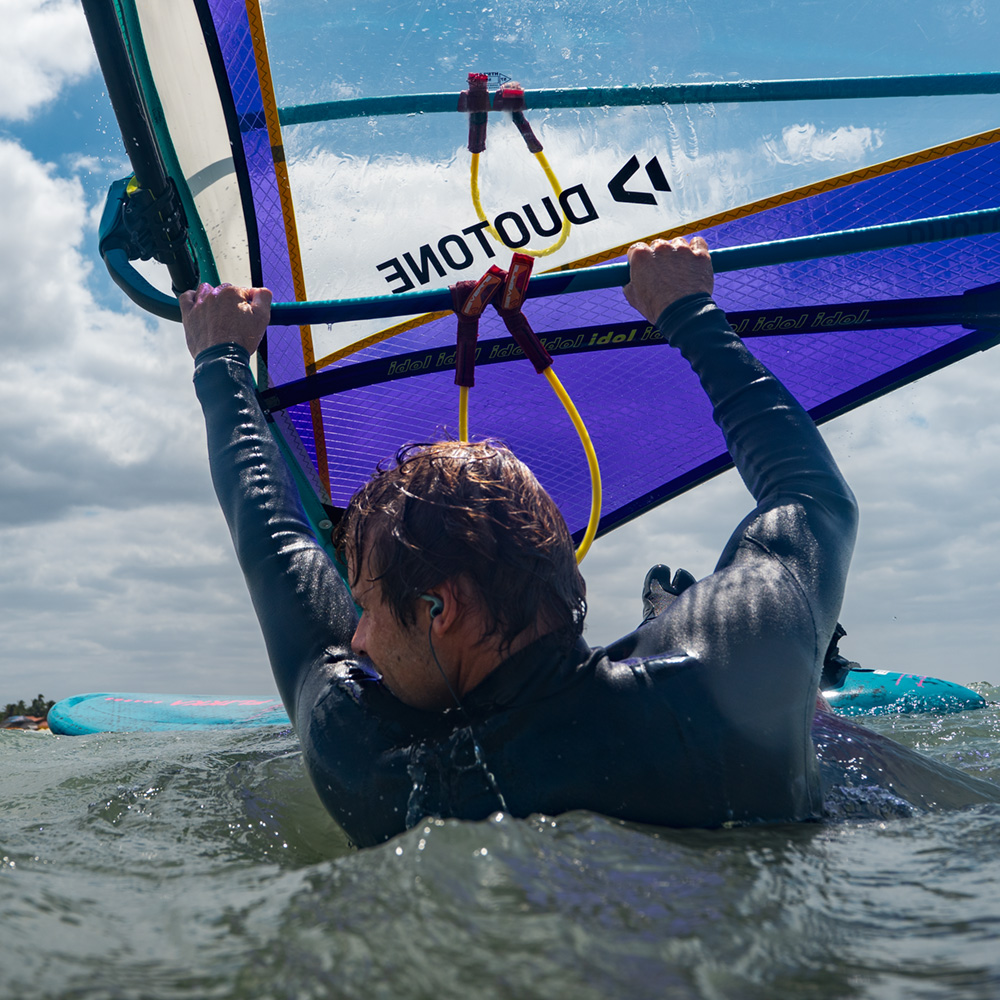
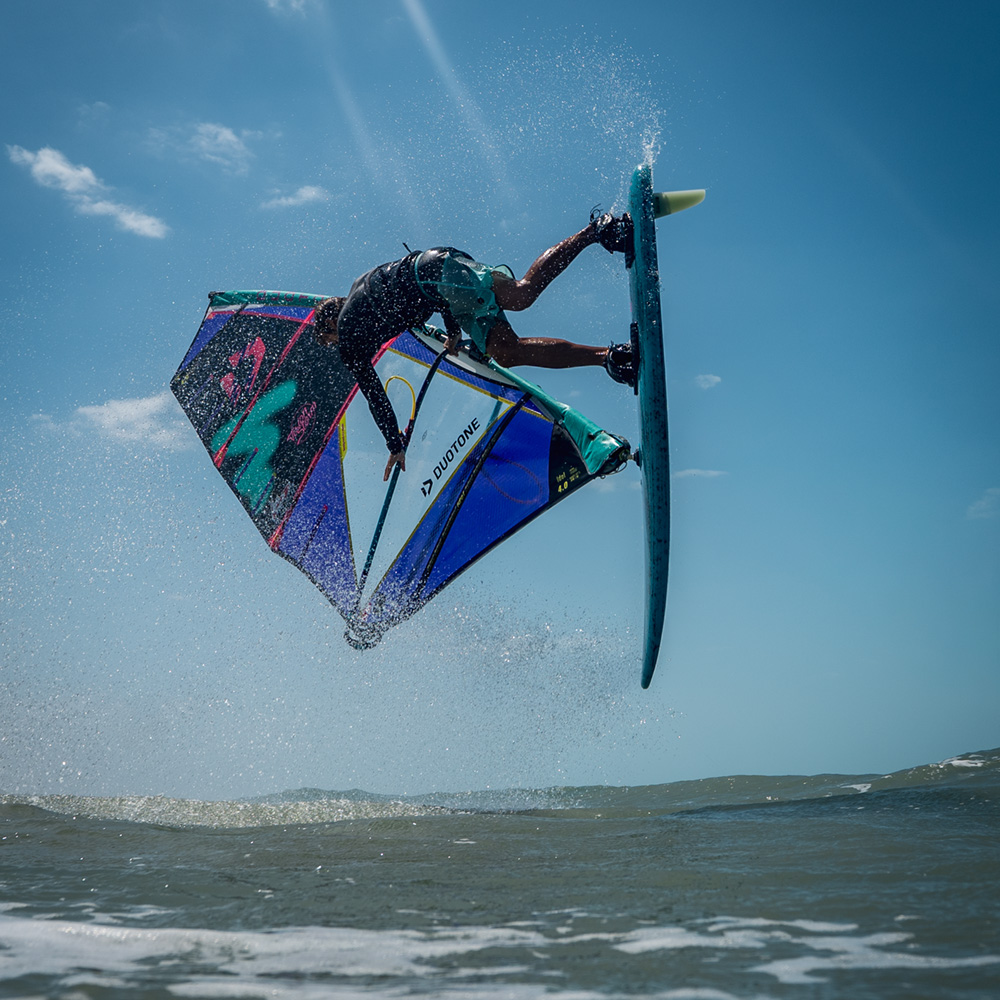
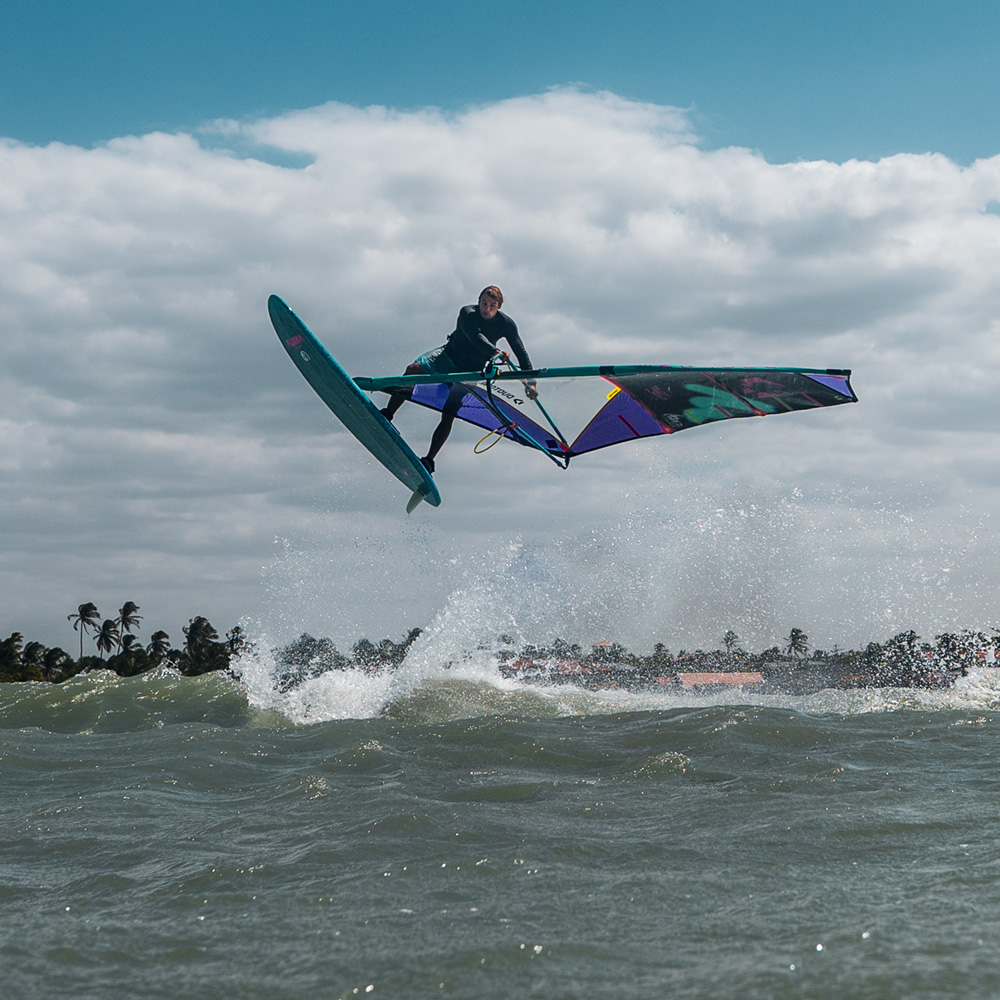
On big Pasko or Shifty crashes—where you sometimes land right on the ear—it was really nice to have a bit of protection. Instead of that sharp, painful water slap into the ear canal, the impact was much softer.
Windsurfing in Jericoacoara – And What I Took Away From Testing Them
Windsurfing in Jericoacoara and the spots around it is always intense: strong, steady wind, warm water, endless hours on the water, and plenty of freestyle crashes. It’s the kind of place where you really get to know your gear — especially the small things you normally don’t think about.
It was the ideal environment to see whether SurfEars 4.0 would actually make a difference for me. And the change wasn’t immediate or dramatic. It came slowly, over several sessions.
What I noticed felt subtle but consistent:
-
I could still hear well enough to stay connected to the wind and my board
-
talking to friends on the water remained possible
-
no pressure, no “underwater” feeling
-
the plugs stayed put, even during harder freestyle crashes
-
and over days of sailing, my ears stayed calm — no irritation, no infections
Nothing spectacular happened.
But that was exactly the point: I stopped thinking about my ears completely. They simply didn’t bother me anymore.
After so many years of repeating the same cycle — great sessions followed by painful ear drops and forced breaks — this quiet improvement meant more than I expected. My takeaway from Jeri was simple:
Ear protection doesn’t have to feel like a compromise. Sometimes it just quietly fixes a problem you’ve lived with for far too long.
Disclosure: SurfEars kindly supplied the SurfEars 4.0 for this test. As always, the impressions and experiences shared here are my own.